


Dubai driving is its own mix: quick highway merges on Sheikh Zayed Road, stop-start traffic on Al Khail, tight parking at malls, and weekend plans that can swing from Jumeirah to Hatta in one day. That’s exactly why “SUV” can mean very different things here.
Some people need a compact crossover that’s easy to live with in the city. Others want something that feels planted at highway speeds and stays comfortable when the roads get rougher or the route gets longer. The best SUV for Dubai roads is the one that matches how you actually drive, not the one that looks best on paper.
Below is a practical, Dubai-specific way to choose, with the things that genuinely make daily life easier.
Your Dubai driving pattern comes first
Before you compare trims and features, get honest about your weekly routine. Dubai roads reward the right match.
If most of your driving is city + short highway hops, you will benefit more from:
- Easy steering and a tight turning circle for parking
- Good visibility and cameras for mall ramps and tight bays
- Smooth low-speed ride for speed bumps and uneven surfaces
This is where a compact crossover often shines. Models like the OMODA C5 fit naturally into this role for many drivers: city-friendly size, modern cabin tech, and the kind of everyday comfort you notice on commutes.
If you do long highway runs on E11 or E311 or you drive between emirates often, prioritize:
- Stable highway manners and confident braking feel
- Low cabin noise at cruising speeds
- Seats that stay supportive after an hour plus behind the wheel
If your weekends include beach tracks, gravel, camp spots, or occasional desert access roads, think about:
- Ground clearance and underbody confidence (even if you are not “off-roading”)
- Tyres that handle heat and mixed surfaces well
- A suspension tune that does not feel harsh when the road gets broken
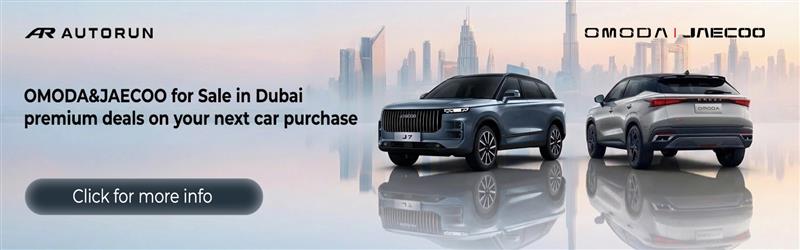
In this “Dubai weekend escape” category, something with a more rugged vibe, like the JAECOO J7, tends to appeal because it’s designed with that adventure-ready positioning in mind. If you want a similar idea with a more electrified approach, the JAECOO J7 SHS can also make sense for drivers focused on efficiency and city use, depending on availability and how you drive day to day.
And if your reality is family, passengers, and cargo most days, then size and comfort move up the list fast. A larger SUV like the JAECOO J8 is typically the kind of step people consider when they want more presence, more cabin room, and an easier time carrying adults in comfort.
Comfort that matters in Dubai: A/C, ride, noise
Dubai heat changes what “comfort” means. A good-looking SUV can feel exhausting if the cabin struggles with temperature or the ride feels busy on everyday roads.
A/C performance is not a bonus feature
In the UAE, strong air conditioning is part of the powertrain experience. During a test drive, don’t just check if it blows cold. Check:
- How quickly the cabin cools after being parked outside
- Whether airflow reaches the rear properly
- Whether the system stays consistent in traffic, not only while moving
Ride quality: speed bumps and patchy roads expose everything
Dubai has plenty of smooth tarmac, but it also has speed bumps in communities, steep parking ramps, and the occasional rough surface near worksites. You want an SUV that feels composed at low speeds without bouncing or crashing over bumps.
A simple test: drive slowly over two or three speed bumps in a row. If the SUV feels unsettled, that will become your daily annoyance.
Cabin noise: highway comfort is more than suspension
On Sheikh Zayed Road, wind and road noise become the soundtrack of your life. At 100 to 120 km/h, listen for:
- Wind noise around mirrors and pillars
- Tyre roar on different surfaces
- Any rattles that appear when the road texture changes
This is one area where a quick five-minute highway run during the test drive tells you more than a long spec sheet ever will.
Safety and driver-assist for Sheikh Zayed Road and beyond
Dubai highways are fast, busy, and full of lane changes. Good safety and driver-assist features are not about “tech for tech’s sake.” They reduce fatigue and help you stay calm in dense traffic.
Here’s what most Dubai drivers actually feel the benefit from:
- Blind-spot monitoring for lane changes on multi-lane roads
- Rear cross-traffic alert for reversing out of tight bays at malls
- 360/540 cameras or strong parking sensors for crowded areas and narrow ramps
- Adaptive cruise control and lane support (when available) to reduce fatigue in traffic flows
The key is not just having these systems, but how smoothly they behave. Overly sensitive alerts can annoy you, while well-tuned systems quietly make daily driving easier.
If you’re shopping in the modern SUV space, you’ll notice many newer models, including OMODA and JAECOO vehicles, focus heavily on these comfort-safety technologies because they match how people drive in the UAE: lots of highway time, lots of parking, lots of short trips.
Practicality in real life: parking, space, and usability
An SUV can be “spacious” but still frustrating to own if the usability is off. Dubai ownership is all about the small daily wins.
Parking and visibility
If you live in an apartment tower or regularly park in busy mall areas, size matters. A slightly smaller SUV that is easier to position can save you time and stress every single day.
During your test drive, try:
- A tight U-turn
- Reversing into a bay between two cars
- A multi-storey parking ramp
If the SUV feels like work in these moments, you’ll feel it every week.
Cabin layout and storage
Look for:
- A place for your phone that doesn’t send it sliding under the seat
- Door bins that actually hold bottles
- Rear seat comfort that suits real passengers, not only “short trips”
Boot space and loading height
Weekend life in Dubai includes grocery runs, strollers, gym bags, beach gear, and sometimes a cooler. A wide boot opening and sensible loading height can matter more than raw litres on a brochure.
If you’re considering something like the OMODA C5, it often fits drivers who want a city-friendly footprint without feeling like they’re in a tiny car. If you’re considering the JAECOO J7 or J8, it’s usually because you want more of that “ready for anything” practicality and presence.
Ownership in the UAE: fuel habits, service, tyres, resale
This is where smart buyers separate a good deal from a good decision.
Fuel and your real-world driving
Dubai driving can be short-trip heavy, especially if you live and work within the same area. Some drivers also do frequent highway runs to Abu Dhabi, Sharjah, or Ras Al Khaimah.
Instead of chasing a single fuel number, think about your pattern:
- Lots of short trips and traffic: efficiency matters, but so does smooth low-speed behavior
- Lots of highway: stability, noise, and seat comfort become top priorities
If you’re interested in a more efficiency-focused option, hybrids can be worth considering in general, and models like the JAECOO J7 SHS are part of that broader direction, depending on what’s offered in the market and what fits your use.
Service support and warranty confidence
In the UAE, peace of mind comes from clear service schedules, accessible support, and a dealership that can look after you properly. Ask practical questions:
- Where is the service centre?
- How is booking handled?
- What does routine maintenance typically include?
Tyres, heat, and road conditions
Tyres wear differently in the UAE than in cooler climates. Heat and road temperatures can accelerate wear, and highway miles add up quickly. When comparing SUVs, don’t ignore:
- Tyre availability in the UAE market
- Common wheel and tyre sizes that are easy to replace
- How the ride feels over imperfect surfaces, which often comes down to tyre and suspension tuning
Resale and long-term value
Resale value depends on many things, including market trends, condition, service history, and demand for specific segments. The best thing you can do is buy the right size and type for Dubai, maintain it properly, and keep records. The “right fit” tends to hold value better because it stays desirable.

Last Word
Take your test drive route seriously. A short loop around the showroom area isn’t enough for Dubai. Try to include a few minutes of highway, a tight parking maneuver, and at least a couple of speed bumps.
Also, test the A/C the way you’ll use it. Start the car after it has been sitting outside if possible, then see how quickly it becomes genuinely comfortable. Rear passenger airflow matters more than most buyers expect.
Finally, pay attention to the “small stress points”: seat comfort after 20 minutes, mirror visibility, the ease of changing lanes, and whether parking tech feels intuitive. Those are the things you live with, not the brochure highlights.
If you’d like, you can shortlist two or three SUVs and test them back-to-back with a Dubai-style route in mind. If you’re considering modern options, it’s worth trying vehicles like the OMODA C5, JAECOO J7, or JAECOO J8 to see which one fits your commute, parking reality, and weekend plans. Visit our Dubai showroom, book a test drive, or contact our team and we’ll help you choose based on how you actually drive in the UAE.
